Unlock Flavor: The Versatile Cuban Mojo Marinade Guide
There are culinary secrets that transcend generations, whispering tales of heritage, family, and unforgettable flavors. In Cuban cuisine, one such secret reigns supreme: the incomparable
mojo marinade. Far more than just a seasoning, this vibrant, aromatic blend is the very heartbeat of Cuban cooking, transforming simple ingredients into a symphony of tangy, savory, and garlicky delight. If you've ever savored the succulent perfection of a slow-roasted Cuban pork shoulder or a perfectly grilled chicken, chances are you've experienced the magic of authentic
Cuban mojo marinade.
Forget what you think you know about marinades – this isn't just about adding a hint of flavor. A true homemade mojo is a profound flavor punch, capable of elevating an everyday meal into an "Oh Wow!" culinary experience. While store-bought bottles can certainly save the day in a pinch, there’s nothing quite like the invigorating zest and profound depth of a freshly prepared batch. It's a culinary ace up your sleeve, ready to unleash a burst of fresh, zesty goodness that store-bought options simply can't replicate.
Fresh Mojo Marinade: Why Homemade Outshines Store Bottles details why this commitment to homemade is truly worth it.
What is Mojo Marinade? The Heartbeat of Cuban Flavor
At its core,
mojo marinade is a traditional Cuban concoction celebrated for its ability to tenderize meats and infuse them with an unmistakable tangy, garlicky, and herbaceous profile. Pronounced "MO-HO," it's a staple in virtually every Cuban household, often passed down through family recipes with slight, cherished variations.
Traditionally, the key components of this signature marinade include:
- Garlic: Usually generous amounts, freshly minced or crushed, providing the foundational pungent aroma and taste.
- Sour Orange (Naranja Agria): This is the defining citrus component. Its unique tartness, a blend of orange and lemon notes, is what gives mojo its distinctive tang.
- Herbs: Typically fresh oregano, sometimes complemented by a bay leaf or a touch of cumin.
- Olive Oil: While some variations omit it, olive oil helps to emulsify the marinade, carry the fat-soluble flavors, and contribute to the juiciness of the meat during cooking.
- Salt and Pepper: Essential for seasoning and balancing the flavors.
The beauty of
mojo marinade lies in its simplicity and the potency of its fresh ingredients. When these elements come together, they create a marinade that not only deeply flavors proteins but also works to gently break down muscle fibers, resulting in incredibly tender and moist outcomes.
Mojo Marinade vs. Mojo Criollo: A Key Distinction
It's important to clarify a common point of confusion: the difference between
mojo marinade and Mojo Criollo. While both share similar flavor profiles, their application is distinct:
- Mojo Marinade: This is specifically designed for pre-cooking use. You immerse meats (pork, chicken, beef, seafood) in it for hours to tenderize and infuse flavor *before* grilling, roasting, or pan-frying. It's an integral part of the cooking process itself.
- Mojo Criollo: Often found bottled in stores, Mojo Criollo is typically a ready-to-use sauce or dip. It’s served *after* cooking, as a condiment to dress cooked meats, vegetables, or even for dipping bread. While convenient, it often lacks the vibrant freshness of a homemade marinade crafted for pre-cooking infusion.
Understanding this distinction is crucial to truly appreciate the power and purpose of an authentic
mojo marinade. You can find more insights on this in
Craft Authentic Cuban Flavor: Your Guide to Mojo Marinade.
The Versatility of Mojo Marinade: Beyond the Ordinary
The reputation of
Cuban mojo marinade often conjures images of grand Cuban feasts, and rightfully so. It is, after all, the indispensable secret behind iconic dishes like the Slow Roasted Pernil (Cuban roast pork), the festive Lechon Asado prepared for *Noche Buena* (Christmas Eve), and a perfectly brined Mojo Turkey. Yet, to pigeonhole this marinade only into special occasion cuisine would be to overlook its extraordinary everyday potential.
This isn't just a holiday hero; it's a versatile workhorse for any day of the week.
Here’s a glimpse into the diverse applications where
mojo marinade truly shines:
- Pork: This is perhaps its most famous pairing. From a whole shoulder for Pernil to smaller cuts like pork chops or tenderloin, mojo transforms pork into juicy, flavorful masterpieces whether slow-roasted, grilled, or pan-fried.
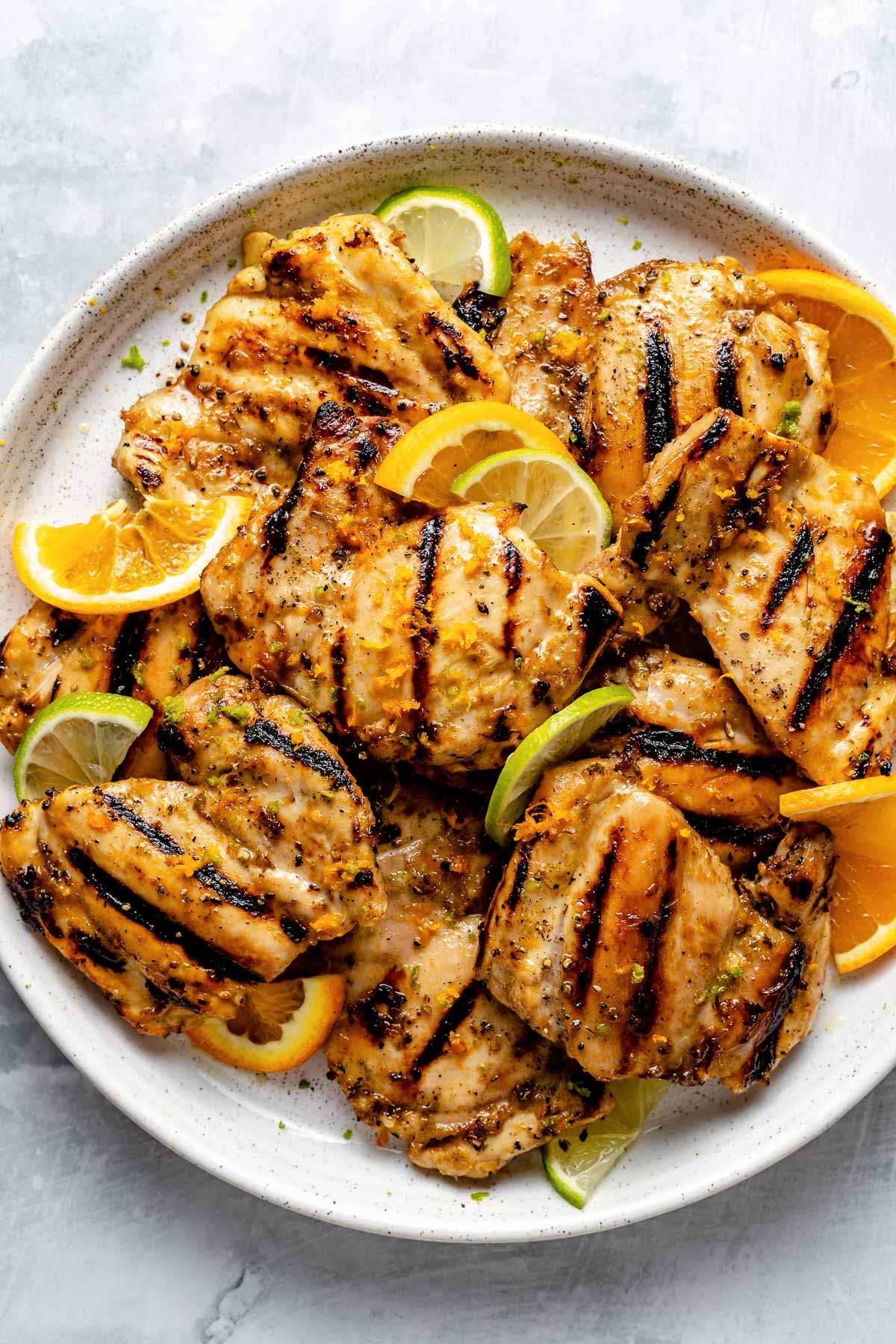
- Chicken: Simple chicken breasts, thighs, or a whole roasted chicken become infinitely more exciting when bathed in mojo. It’s fantastic for grilling, baking, or pan-frying for dishes like *Pollo a la Plancha*.
- Beef: Flank steak, skirt steak, or even tougher cuts meant for stewing can benefit immensely from a good mojo soak, emerging tender and bursting with flavor.
- Seafood: Don't limit yourself! Shrimp skewers, firm white fish fillets, or even calamari can take on a delightful zing when marinated for a shorter period in mojo.
- Vegetables: While primarily a meat marinade, a quick toss of root vegetables or hardy greens in mojo before roasting or grilling can impart a wonderful, tangy depth.
Its adaptability makes it an invaluable tool for any home cook. Whether you're planning a lavish family dinner or seeking an easy, healthy weeknight meal, a batch of
homemade mojo marinade is your ticket to culinary excellence.
Crafting Your Own Signature Mojo Marinade: Tips for Perfection
Making your own
mojo marinade is surprisingly simple and incredibly rewarding. It typically takes less than 15 minutes to whip up, and the payoff in flavor is exponential. Here are some expert tips to ensure your homemade mojo is nothing short of spectacular:
Key Ingredients & Substitutions
The fresher your ingredients, the better your mojo.
- Sour Orange is King: If you can find fresh sour oranges, use them! Their unique flavor is unparalleled.
- Sour Orange Alternatives: If *naranja agria* isn't available, don't despair! A good substitute can be created by combining 2 parts fresh orange juice with 1 part fresh lime juice and a splash (1-2 tablespoons) of white vinegar. Some also use a mix of orange and grapefruit juice.
- Garlic Galore: Don’t be shy with the garlic. Freshly minced or crushed garlic offers the most potent flavor. Avoid pre-minced jarred garlic for this recipe if possible.
- Fresh Herbs: Use fresh oregano. If you can't find fresh, dried oregano can work in a pinch, but use about half the amount. Consider adding a small sprig of fresh cilantro for a modern twist, or a bay leaf for a deeper aromatic note.
- Olive Oil: Extra virgin olive oil is preferred. It helps to emulsify the marinade and keeps leaner meats moist during cooking. For fattier cuts like pork shoulder, you might use less oil or even omit it, as the meat’s natural fats will render.
Maximizing Flavor & Tenderization
- Crush the Garlic: Pressing or crushing garlic cloves releases their potent allicin, enhancing the flavor profile significantly more than simply mincing.
- Warm Infusion (Optional): Some traditional recipes lightly warm the olive oil with the garlic and herbs to infuse the flavors more deeply before cooling and adding the citrus. This step is not strictly necessary but can add depth.
- Marination Time Matters:
- Chicken and Seafood: 1-4 hours is usually sufficient. Over-marinating seafood can "cook" it due to the acid.
- Pork and Beef: 4 hours up to 24 hours is ideal for larger or tougher cuts. For something like a whole Pernil, marinating for 24-48 hours allows the flavors to truly penetrate.
- Safety First: Always marinate meats in the refrigerator. Remove from the fridge about 30 minutes before cooking to allow it to come slightly closer to room temperature for more even cooking.
- Don't Reuse Marinade: Any marinade that has come into contact with raw meat should be discarded. If you want to use some as a basting sauce, reserve a portion before adding raw meat.
Unlocking Culinary Potential: Recipes and Inspiration
With your homemade
mojo marinade ready, a world of culinary possibilities opens up. Think beyond the usual and let this vibrant concoction inspire your kitchen adventures.
- Easy Weeknight Mojo Chicken: Marinate chicken thighs for a few hours, then grill, bake, or pan-fry until golden and juicy. Serve with rice and black beans for a quick, wholesome meal.
- Mojo Pork Chops: A quick marinade on pork chops transforms them into a succulent, flavorful main dish, perfect for a busy evening.
- Flavorful Flank Steak: Marinate flank steak for 6-8 hours, then grill and slice against the grain for tender, zesty beef that’s excellent in tacos, salads, or as a standalone entree.
- Roasted Mojo Vegetables: Toss potatoes, sweet potatoes, onions, and bell peppers in a touch of reserved fresh mojo (before adding meat), then roast until tender and caramelized.
- Mojo Shrimp Skewers: A quick 30-minute marinade for shrimp, then skewer and grill for a light, healthy, and incredibly flavorful appetizer or main.
From simple weeknight dinners to elaborate Sunday family feasts and of course, the grand *Noche Buena* celebration,
mojo marinade is your secret weapon. It’s a versatile, healthy, and utterly delicious way to infuse your cooking with the authentic, vibrant spirit of Cuban cuisine.
The Unforgettable Taste of Tradition
The power of
Cuban mojo marinade lies not just in its incredible flavor profile, but in its ability to connect us to a rich culinary heritage. It’s a taste that speaks of grandmothers’ kitchens, festive gatherings, and the simple joy of sharing good food. By taking the time to craft this fresh, vibrant marinade yourself, you’re not just preparing a meal; you’re embracing a tradition, adding a personal touch that store-bought options can never replicate. So, grab your fresh citrus, crush that garlic, and prepare to unlock a world of unforgettable flavor. Your taste buds, and your family, will thank you.